


Is my social media campaign driving results? You’ll often catch yourself questioning your efforts when it comes to social media marketing. Why? It’s because only 14% say they can confidently tie their social media efforts to business results.
Not because social media campaigns aren’t working, but because they’re tracking the wrong indicators.
As per most reports, impressions, likes, and reach are the most highlighted key performance indicators for social media. But these metrics aren’t sufficient for performance; however, questions remain the same: Is social media actually helping us grow?
The real problem lies not in the campaigns, but it starts with social media KPI’s.
When you start focusing on social media metrics instead of social media performance indicators, the real problem begins!
Platforms like Instagram, LinkedIn, and TikTok provide in-depth data. However, these numbers should connect to business goals, awareness, demand, conversions, or loyalty; if not, they are not true KPIs.
The shift taking place in 2025 is clear: brands are looking for deeper analytics, intent signals, and attribution insights. They’re paying attention to video completion rate, dark-social behavior, and assisted conversions.
These metrics reflect the real behavior of your audience and long-term influence.
Let’s break down how to build KPIs that align with your goals, leverage platform strengths, and finally, how measurable results work.
Why Most Brands Struggle With Social Media KPIs
Here is when the real problem begins!
As a brand, it’s important to keep the stats, and this is where the problem starts. Tracking and analyzing social media KPIs is important.
Most likely, you’ll see a social media report filled with 20+ numbers, reach, impressions, no.of followers, growth rate, content engagement rate, video views, and click-through rate.
The issue? social media measurement. More data means more confusion.
Research shows that nearly 36 percent of marketers admit they struggle to measure ROI because their goals and KPIs aren’t clearly defined. That problem has become more pronounced as platforms like Instagram, TikTok, YouTube, and LinkedIn release more in-depth analytics dashboards. With so many stats available, it’s easy to get overwhelmed.
But here is the thing: impressions, likes, and follower count are not KPIs.They are simple metrics. And metrics only become KPIs when they directly support a business objective.
This distinction is the starting point for every social media strategy.
Metrics vs. KPIs: Why the Difference Matters
When it comes to brand awareness metrics, every platform matters.
Be it Facebook engagement metrics, Instagram insights, Twitter analytics, LinkedIn performance metrics, YouTube channel metrics, or TikTok engagement metrics, this data is a goldmine for marketers. It’s tempting to assume all of it is equally useful.
In reality:
A metric describes what happened.
A KPI describes whether what happened helps your business grow.
For instance:
Reach is a metric.
Audience reach tied to a brand awareness target is a KPI.
Link clicks are a metric.
Click-through rate (CTR) on posts driving traffic to a lead magnet is a KPI.
Profile visits are a metric.
Conversion rate from social media traffic to a signup page is a KPI.
This distinction turns random data into purposeful measurement.
When teams confuse digital marketing KPIs with metrics, they end up focusing on vanity data that doesn’t reflect impact. That’s why simply tracking engagement rate or follower growth rate isn’t enough.
Instead, you need to identify which metrics become KPIs based on your social media goals, whether those goals are awareness, consideration, lead generation, or conversions.
Start With Business Goals, Not Social Goals
Your business comes first, not a social media post.
You need to identify your business goals even before you decide what to post on social media. This is where most brands go wrong. They prioritize social media over business goals and build a social media KPI dashboard first.
Before choosing KPIs, it’s important to ask yourself:
What is your business trying to achieve in the next 3 to 12 months?
A typical business goal includes:
- Increasing brand awareness
- Generating qualified leads
- Improving customer retention
- Increasing conversions or revenue
- Strengthening brand authority
Now translate these into social media goals. Let’s take a look at each one:
If your business goal is brand awareness:
Your social goals may involve increasing audience reach, impressions, or YouTube video completion rate.
If the business goal is lead generation:
Your social goal may focus on optimizing click-through rate, tracking conversion rate from social media, or analyzing form submissions from social visitors.
If your business is looking to win more customer loyalty:
You need to focus on content engagement, community participation, or comment sentiment.
Once the business goal is clear, KPIs become quite straightforward. You understand what to keep and what to discard.
Choosing the Right Social Media KPIs
Different goals require different indicators. Here’s how to choose KPIs that help you determine the true essence of social media KPI.
1. KPIs for Brand Awareness
If the goal is visibility, rely on social media metrics that reflect audience exposure.
Examples of meaningful KPIs:
- Audience reach and impressions
- Video completion rates (especially if you’re targeting TikTok and YouTube)
- Share rate and reposts
- Growth of unique profile visits
The key is whether these numbers directly support a brand awareness target set by the business.
2. KPIs for Engagement and Intent
Engagement is often considered the likes and comments on social media posts. But real engagement signals the intent of your audience.
KPIs may include:
- Content engagement rate (saves, shares, comments, replies)
- Story completion rate on Instagram
- Click-through rate on posts or Stories
- Messenger or DM interactions
These indicators show whether your content is connecting with your audience deeply enough to make them convert or not.
3. KPIs for Lead Generation
KPIs are what let you determine whether your leads are converting or not. Driving traffic or leads requires a different set of KPIs.
For instance:
- Traffic from social to key landing pages
- Conversion rate from social media
- Cost per lead (if running paid campaigns)
- UTM-based attribution through social media analytics tools
These KPIs help you measure lower-funnel performance accurately.
4. KPIs for Sales and Revenue
Not all purchases show up in last-click attribution, but social media KPIs still play a role.
Useful KPIs include:
- Assisted conversions
- Revenue influenced by social media campaigns
- Direct conversions from social content
- Performance of social-first product launch
KPIs give you a clear picture. It allows you to see how social media contributes to revenue. Especially when blended with Google Analytics, CRM data, or advanced attribution models.
Platform-Specific KPIs: Why Each Channel Needs Its Own Approach
One of the biggest mistakes brands make is applying the same KPI framework to every platform. You need to understand the fact that every platform is different. And every channel has different user behavior, content formats, and analytics structure.
Below is a deeper look at how KPIs differ as per the platform.
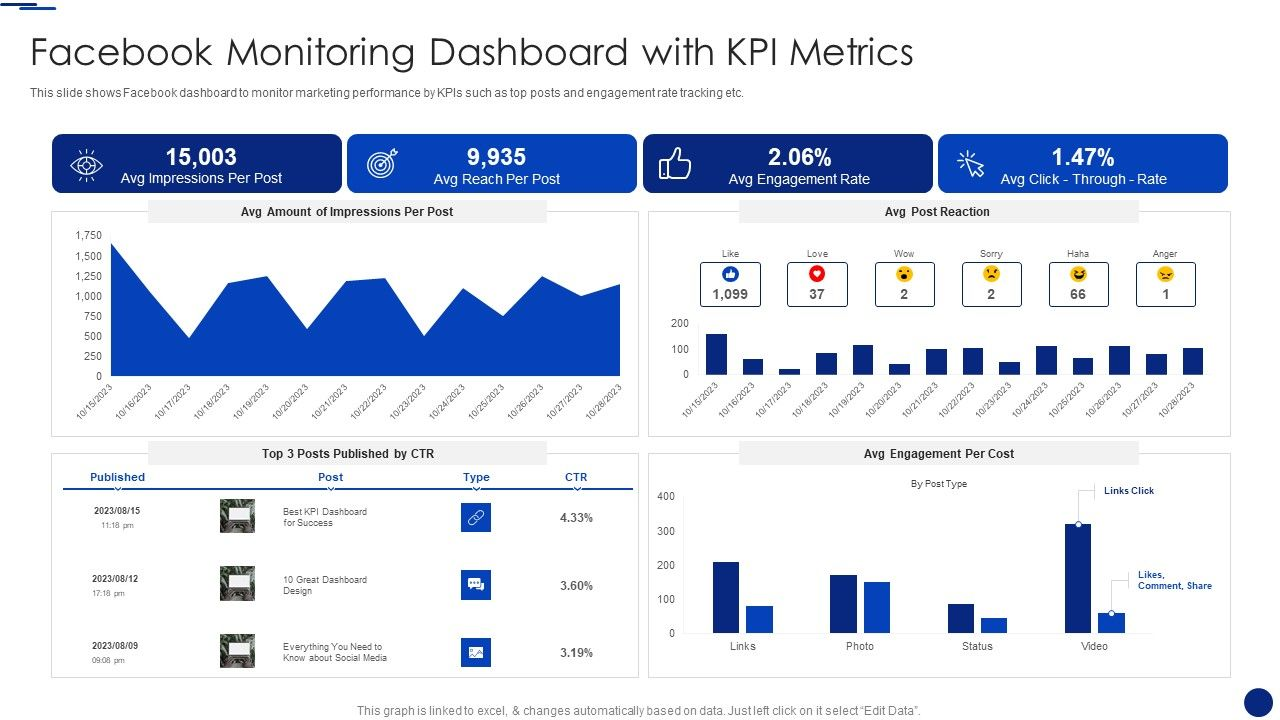
Facebook engagement metrics remain strong indicators for mature audiences. Look at:
- Post interactions
- Click-through rate
- Video retention
- Group participation
- Link clicks to landing pages
Facebook is powerful for community building and lead nurturing.
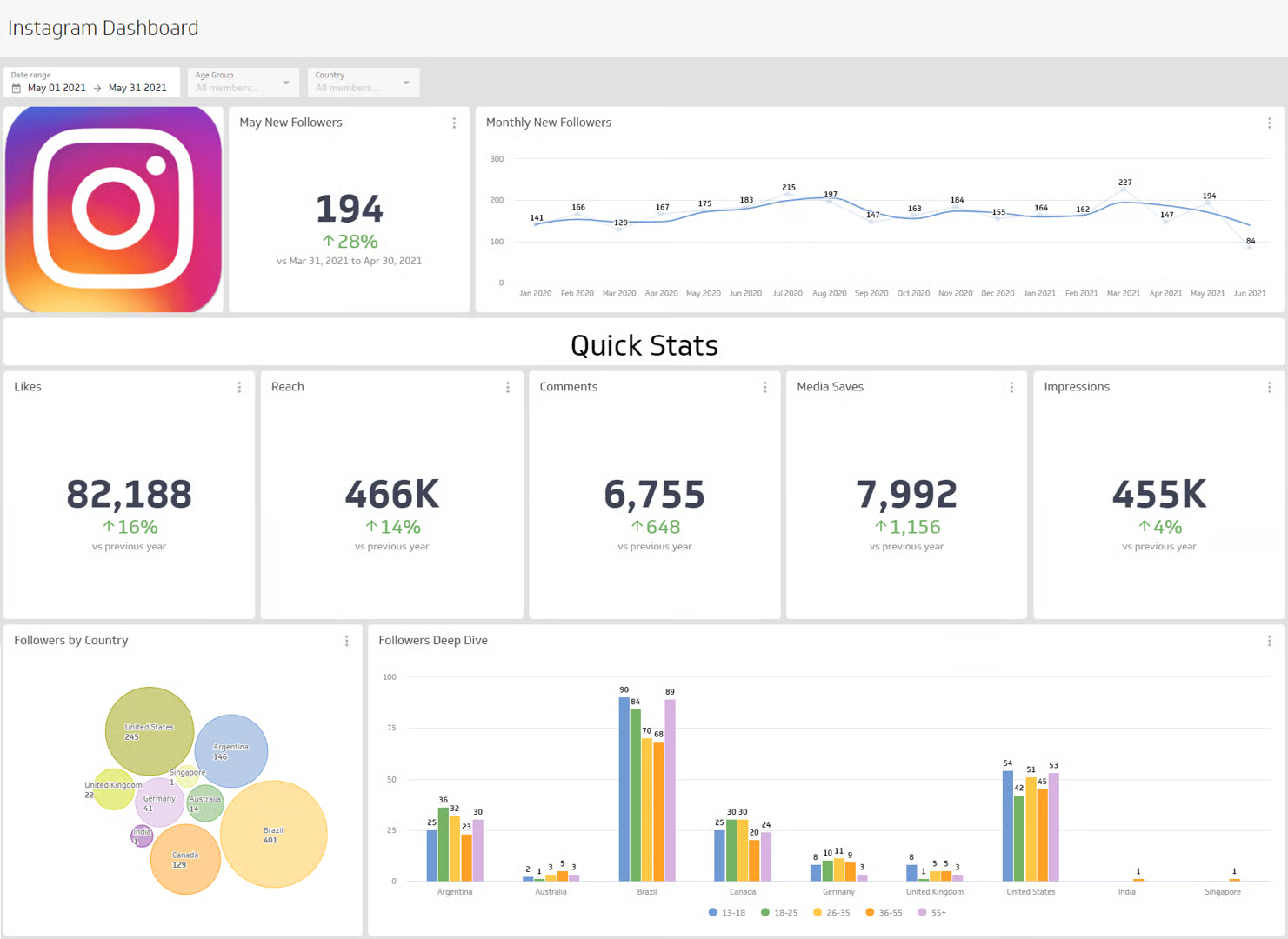
Instagram insights provide a detailed understanding of content performance:
- Saves as an indicator of intent
- Shares as a viral impact signal
- Reels, replays, and completions
- Story taps forward/back
- Profile actions (follows, website taps)
These KPIs capture attention and interest patterns accurately.
Twitter (X)
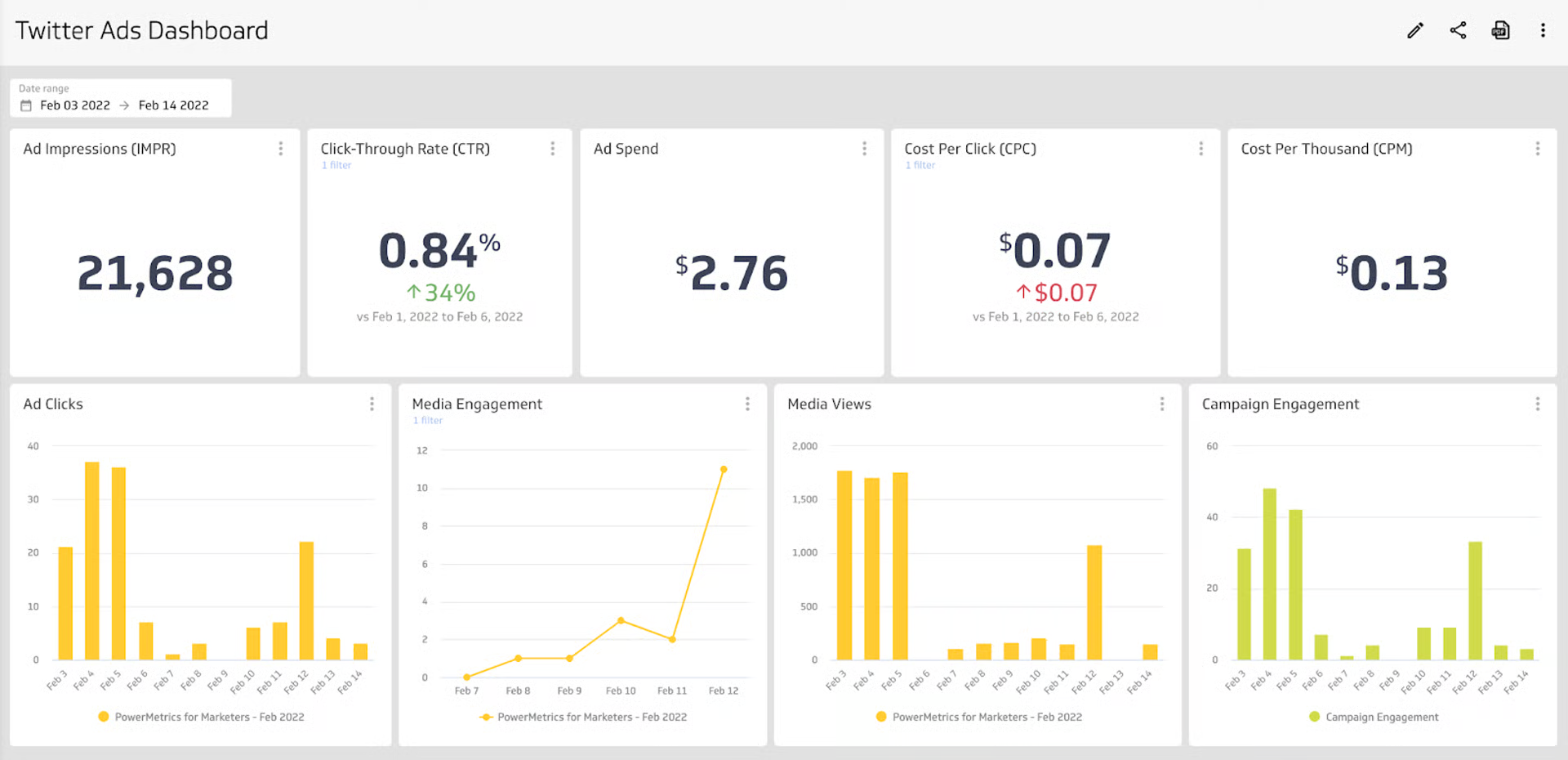
Twitter analytics is valuable for thought leadership and real-time influence:
- Tweet engagement rate
- Conversation participation
- Link CTR
- Hashtag performance
- Replies that demonstrate audience involvement
This platform excels at upper-funnel awareness and mid-funnel engagement.
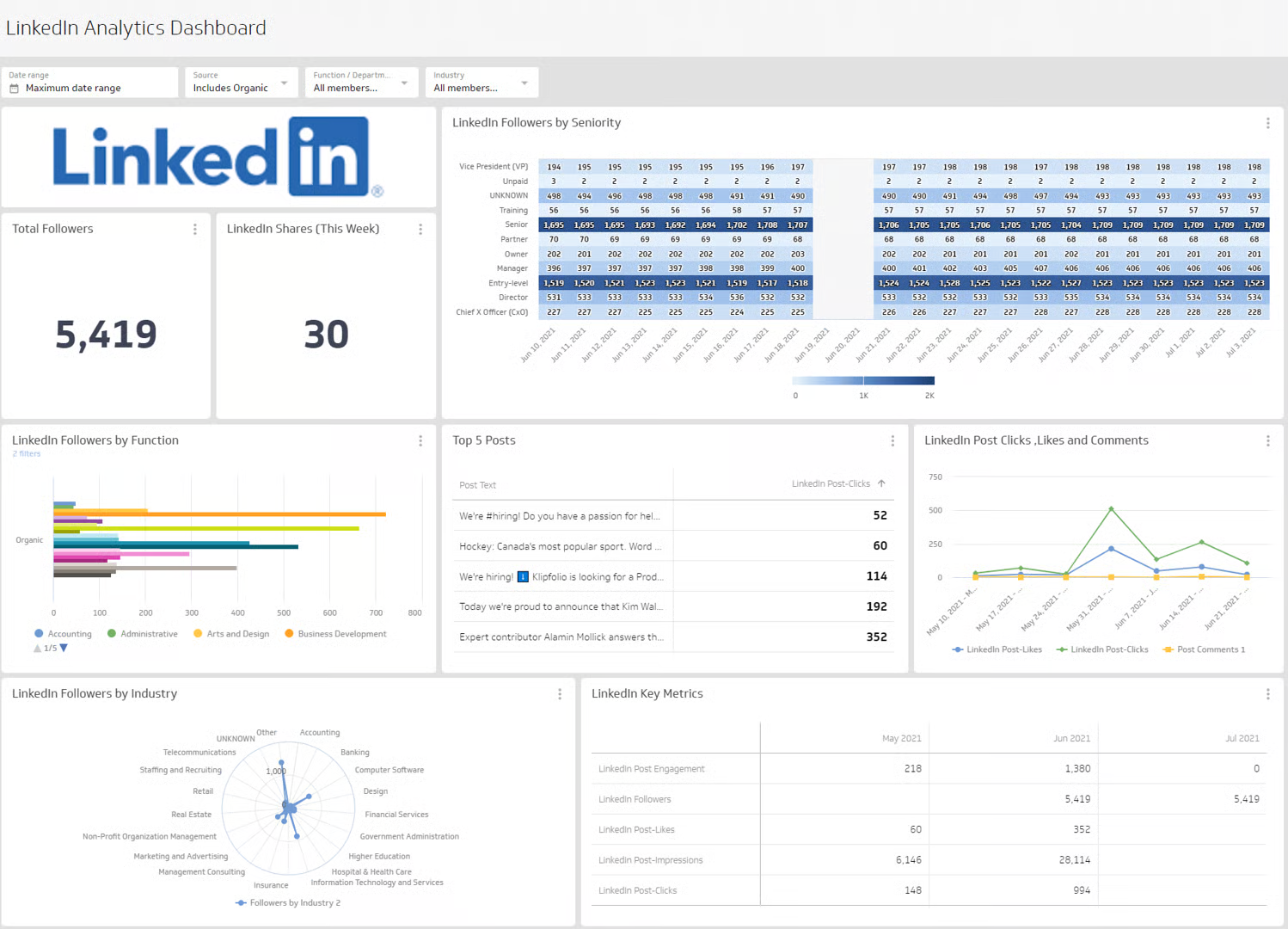
LinkedIn performance metrics often reflect professional impact:
- Post engagement rate
- Profile views
- Clicks to corporate pages
- Lead form submissions
- Audience demographics alignment
For B2B, social media campaign analysis is a must to monitor the performance of other channels.
YouTube
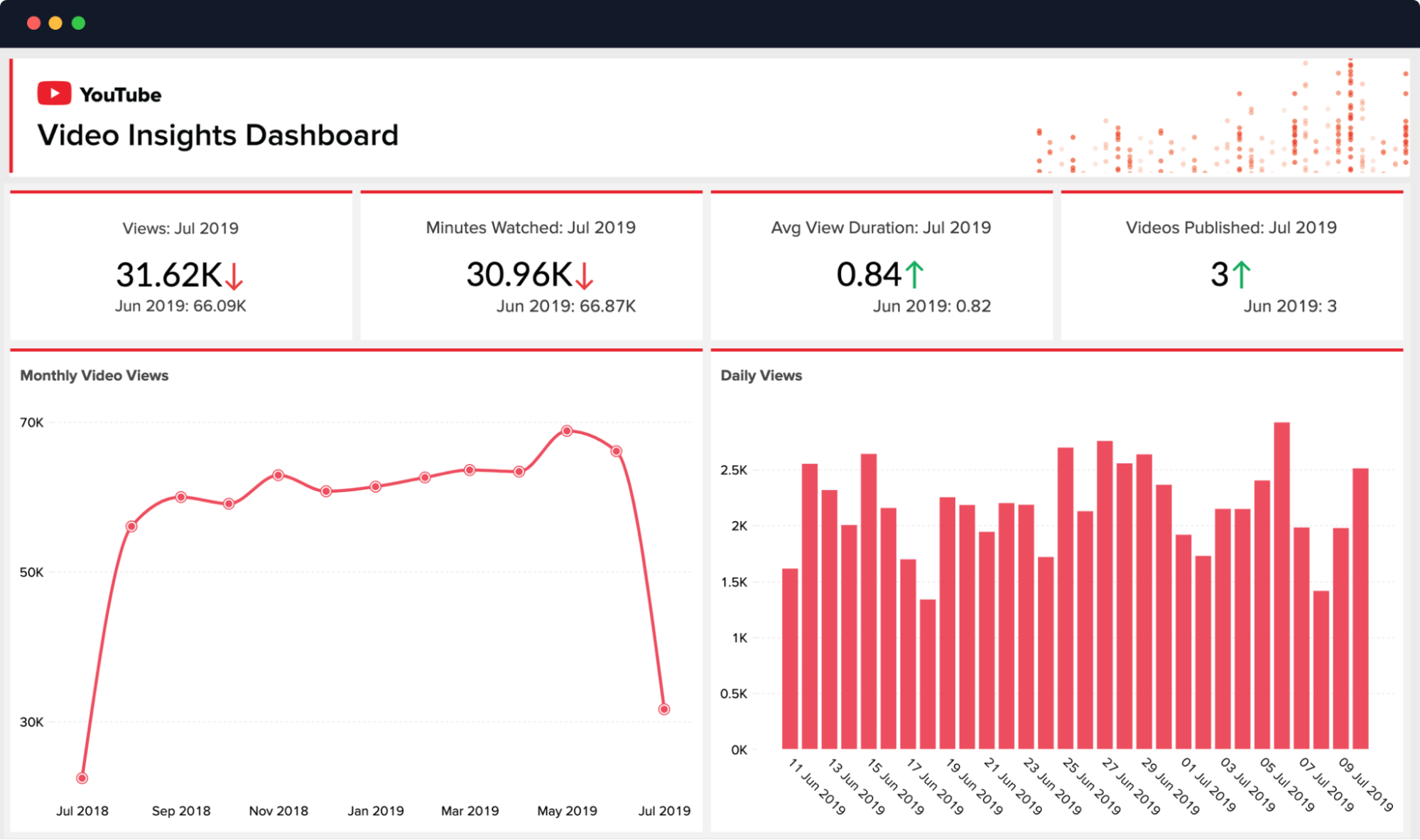
YouTube channel metrics are deeply tied to intent and retention:
- Average watch time
- Audience retention
- Click-through rate on thumbnails
- Subscriber growth rate
- Traffic sources
These KPIs measure how well your long-form content builds trust and authority.
TikTok
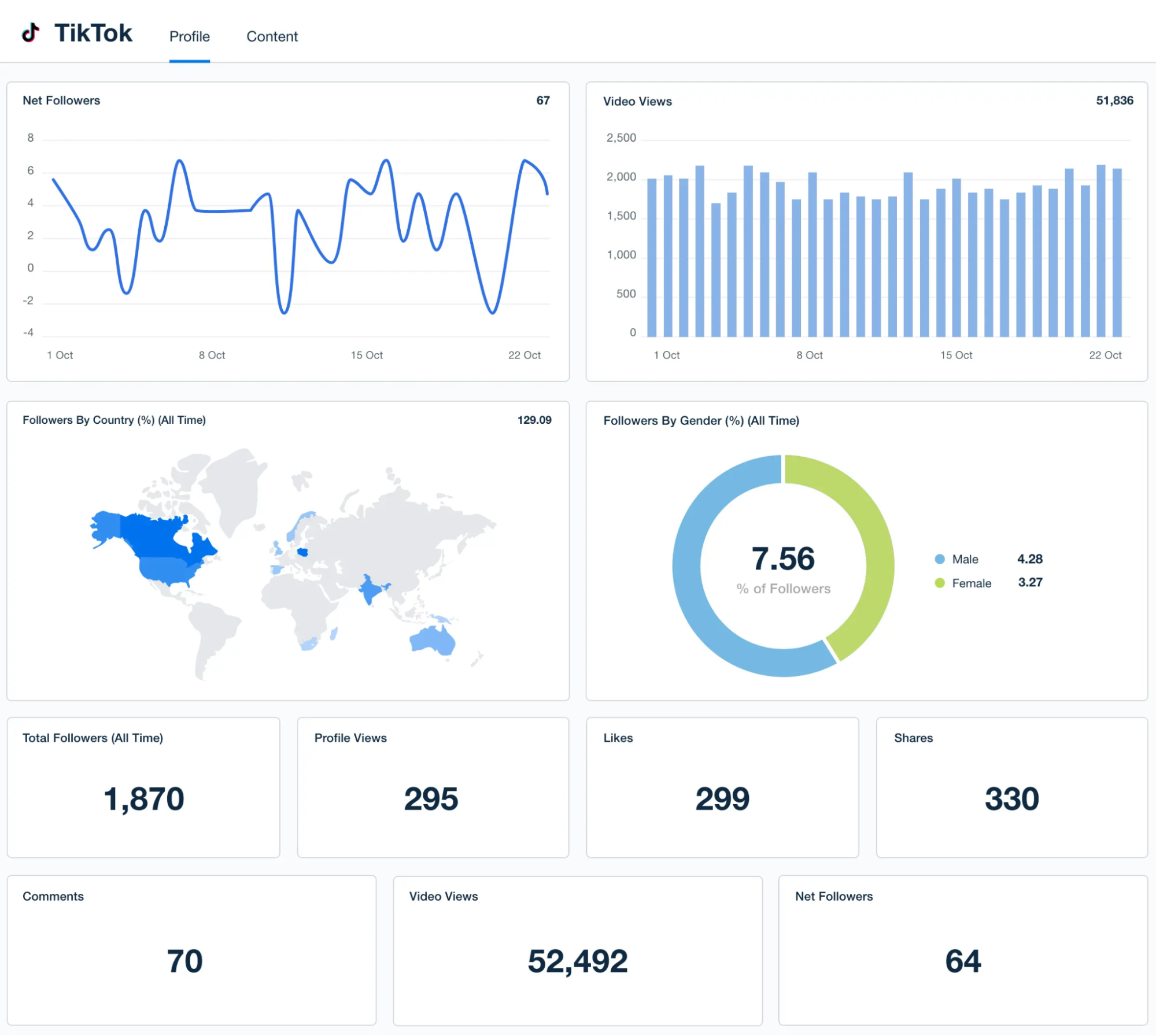
TikTok engagement metrics reveal how effective your content is at grabbing and holding attention:
- Video completion rate
- Average watch time
- Comments and shares
- Traffic to external links (via Link in Bio or TikTok Shop)
- Follower growth tied to specific videos
TikTok KPIs matter when storytelling drives both awareness and conversion.
How to Build Your Social Media KPI Dashboard
Once your KPIs are set, the next step is creating a measurement system using social media reporting tools. These tools help centralize data and automate reporting so your insights are consistent each month.
Tools may include:
- Native platform dashboards
- Google Analytics
- Sprout Social
- Hootsuite
- HubSpot
- Supermetrics
A well-designed social media dashboard doesn’t include every metric available. It reflects your business priorities and highlights only the KPIs that indicate progress.
Your dashboard should answer:
- Are we moving closer to our goals?
- What content influences the best results?
- Where are we wasting effort?
- Which platforms deserve more investment?
If your dashboard doesn’t make decisions easier, it needs to be refocused on KPIs, not metrics.
Don’t Forget Attribution: Proving Real Social Media ROI
One of the most overlooked areas in social media KPI development is attribution.
Social media rarely gets credit for the full impact it has. Someone may see your TikTok video, follow your Instagram account, read a LinkedIn post, and finally buy after clicking a Google ad. Last-click attribution hides that journey.
This is where multi-touch attribution and UTM tracking come in. They help you identify:
- How social media contributes to early-stage awareness
- Which platforms drive high-intent actions
- How content supports conversions even without direct clicks
Once you understand influence, not just direct response, your ability to prove ROI improves dramatically.
How to Run Experiments to Strengthen Your KPIs?
A KPI framework is never finished.
It evolves through experimentation. Whether testing new formats, posting times, creators, hooks, or funnels, experiments reveal which inputs have the greatest impact on your KPIs.
You can test:
- Long-form vs short-form content
- Influencer marketing metrics
- Carousel posts vs single images
- Narrative vs educational storytelling
- TikTok-native content vs repurposed content
These experiments refine your benchmarks and help you understand what truly moves performance.
Final Thoughts
A strong social media KPI framework transforms your business approach.
As a business owner, you don’t always have to keep an eye out for every new metric or trend; you need to understand what works best for your business goals. This way, you’ll be able to monitor performance based on meaningful indicators, not surface-level numbers.
When you choose the right KPIs, you get to understand the real goals, accurate data, and platform behavior. You finally get answers to the questions every team struggles with:
- What does success look like?
- Which efforts make the biggest impact?
- Where should resources go?
- What can we eliminate?
- How does society contribute to growth?
As a brand owner, you can only scale your business once you understand how to measure KPIs. When you know your KPIs, you don’t just run campaigns; you run campaigns with purpose.


